Chaturanga Advanced Pose
Learn why Chaturanga Dandasana is more than a yoga push-up. Discover its benefits, safe alignment tips, and local guidance in Idaho Falls.
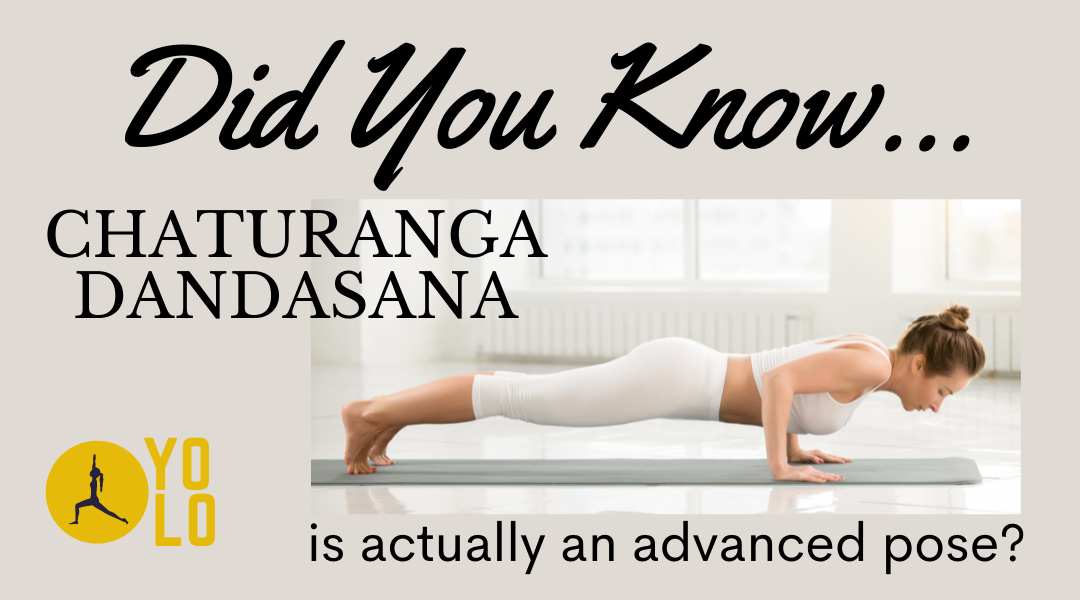
Understanding the True Strength and Alignment Behind This Foundational Yoga Asana
At Yoga London in Idaho Falls, we often hear students say, “Oh, Chaturanga — it’s just a yoga push-up!” But Chaturanga Dandasana, or Four-Limbed Staff Pose, is far more than that. This foundational movement in many Vinyasa and power yoga classes demands proper alignment, full-body engagement, and mindful control — making it one of yoga’s most advanced postures.
What Is Chaturanga Dandasana?
Pronounced cha-TUU-rahn-gah dahn-DAH-suh-nuh, this Sanskrit term breaks down as:
- Chatur — Four
- Anga — Limb
- Danda — Staff
- Asana — Pose
Translated as Four-Limbed Staff Pose, Chaturanga represents a strong, straight body supported by your arms and toes — like a staff connecting earth and sky.
Why Chaturanga Is So Challenging
Although it appears simple, Chaturanga requires strength, stability, and coordination throughout your entire body. It’s not merely about arm power — it involves core engagement, balanced weight distribution, and precise alignment to protect the shoulders and wrists.
Without proper technique, repetitive Chaturangas can cause shoulder strain or joint pain. That’s why at Yoga London in Idaho Falls, our instructors emphasize gradual progression and alignment over repetition.
Benefits of Practicing Chaturanga
When practiced mindfully, Chaturanga Dandasana builds:
- Strength in the arms, shoulders, wrists, core, and thighs
- Endurance and stability for more advanced arm balances
- Body awareness and posture alignment
- Energy and confidence, improving focus and mental resilience
This pose also serves as a foundation for transitions into Upward-Facing Dog, Crow Pose, and other strength-based asanas.
A Brief History of Chaturanga
The pose is often credited to Sri Krishnamacharya (1888–1989) — known as the father of modern yoga. He emphasized the connection between breath and movement, refining yoga postures into therapeutic, sequential flows. His teachings shaped many contemporary yoga lineages, including Ashtanga and Vinyasa styles.
Contraindications and Modifications
Chaturanga is powerful but demanding — and not for every body, every day. Avoid or modify the pose if you:
- Have wrist, shoulder, or elbow injuries
- Experience carpal tunnel syndrome
- Are pregnant
- Are recovering from surgery or illness
Listen to your body. Progress takes time, and variations are valuable tools for growth.
Common Alignment Tips
Do:
- Keep shoulders level with or above elbows
- Hug elbows close to your sides
- Engage your core and legs
- Press heels back and crown of head forward
- Keep your chest open and collarbones broad
Don’t:
- Drop your shoulders below elbows
- Flare elbows out wide
- Sag your lower back or belly
- Rush through transitions without control
Chaturanga Variations
Not ready for the full expression? Try these modifications to safely build strength:
- Child’s Pose (Balasana)
- Eight-Limbed Pose (Ashtanga Namaskara)
- Plank or Forearm Plank
- Knee Plank or Knee Chaturanga
Each variation allows you to practice alignment, strength, and mindfulness at your own pace.
“Your ability to do certain poses holds no bearing on who you are as a human being. Your job is to take care of your body’s needs and practice.”
— Dr. Libby Hinsley
Build Your Strength Safely with Yoga London in Idaho Falls
Chaturanga is about mindful strength — not perfection. At Yoga London in Idaho Falls, our skilled instructors will guide you through safe alignment techniques, strength-building progressions, and supportive modifications for your level.
Join a Vinyasa or Yoga Sculpt class today and discover how proper form transforms your practice — one pose at a time.
Related Questions
Is Chaturanga Dandasana suitable for beginners?
With guidance and modifications, beginners can build toward Chaturanga safely over time. It’s best learned under instructor supervision.
What muscles does Chaturanga work?
It strengthens the shoulders, arms, chest, core, and legs — making it a full-body strength builder.
How can I improve my Chaturanga form?
Focus on alignment first: engage your core, keep elbows tucked, and lower with control. Use props or modified planks if needed.
Can practicing Chaturanga daily cause injury?
Yes, if done with poor alignment or fatigue. Always listen to your body and rest when needed to prevent strain.
Keep Reading


Download the App
Download our app to track classes, schedule sessions, and stay linked with our vibrant yoga community.
Register for Free Trial Class
Schedule Classes
Manage Membership
Purchase Giftcards