Pranayama
Discover the benefits of morning pranayama in Idaho Falls. Learn breathing techniques at Yoga London to boost energy, focus, and calm.
Pranayama: The Power of Morning Breathwork
How a Morning Breathing Practice Can Transform Your Day
Establishing a simple morning breathing routine is one of the most effective ways to boost energy, improve focus, and calm the mind before the day begins. By adding just a few minutes of pranayama—the ancient yogic practice of breath control—to your morning routine, you can start each day with greater clarity, balance, and vitality.
At Yoga London in Idaho Falls, we encourage students to connect with their breath as the foundation of every practice. Here’s how you can bring that same mindfulness into your mornings.
What Is a Morning Breathing Practice?
Morning breathing is the mindful practice of engaging in breath-focused exercises shortly after waking. Typically performed while seated, it can also be done lying down or standing.
This intentional breathing awakens the mind and body, increases oxygen flow, and promotes calmness—helping you begin your day centered and aware.
Diaphragm Breath (Belly Breathing)
If you’re new to pranayama, start with Diaphragm Breath, also known as belly breathing. This foundational technique focuses on expanding the belly as you inhale deeply and allowing it to fall as you exhale—keeping the chest still.
Many of us tend to breathe shallowly from the chest, especially when stressed or anxious. This can increase heart rate, reduce oxygen levels, and contribute to tension or fatigue. Practicing Diaphragm Breath for just 2–5 minutes each morning helps:
- Lower stress and anxiety
- Improve lung capacity and oxygen efficiency
- Promote relaxation and mental clarity
This gentle exercise reconnects you with your breath, grounding you in the present moment before the day begins.
Ocean Sounding Breath (Ujjayi Pranayama)
Commonly used during yoga classes at Yoga London, Ujjayi Pranayama is also known as Ocean Sounding Breath because of the soft, wave-like sound created by gently constricting the back of the throat. Some describe it as a “Darth Vader” sound—it’s soothing, rhythmic, and steady.
Ujjayi breathing naturally slows the breath, calming the nervous system and creating a warming, energizing effect. It helps release feelings of irritation and tension while building mindfulness and body awareness.
Practice this technique slowly and deeply without strain, focusing on the smooth flow of breath in and out through the nose.
Tips for a Consistent Morning Breathing Practice
- Sit comfortably, keeping your spine tall and shoulders relaxed.
- Keep your eyes closed and focus on the natural rhythm of your breath.
- Start small—begin with 2–5 minutes and gradually work up to 10–15 minutes per session.
- Avoid forcing or straining the breath; stay gentle and mindful.
- If you feel dizzy or uncomfortable, stop and rest until you feel steady.
- Ensure you’re getting enough sleep—no breathwork can replace true rest.
- Pair your pranayama with a short yoga practice for optimal energy and grounding.
- Be patient and consistent. Over time, you’ll notice greater calm, focus, and overall well-being.
If you’re new to pranayama or managing a medical condition, always consult your healthcare provider before beginning a new breathing practice.
Begin Each Day With Intention
Your breath is one of the simplest yet most powerful tools for improving health, focus, and emotional balance. With just a few minutes of conscious breathing each morning, you can set the tone for a day rooted in mindfulness and clarity.
At Yoga London in Idaho Falls, we incorporate breathwork into every class—helping students of all levels connect their mind, body, and spirit.
Ready to experience the benefits of pranayama?
Join us for a class or workshop and learn how breath awareness can bring lasting calm and energy into your everyday life.
Related Questions
What time of day is best for pranayama?
Morning is ideal because your mind is fresh and the environment is quiet, but pranayama can be practiced any time you need focus or relaxation.
Do I need yoga experience to start pranayama?
Not at all. Beginners can start with simple breathing techniques like belly breathing and build consistency from there.
Can pranayama help with anxiety or stress?
Yes. Deep, mindful breathing soothes the nervous system, lowers stress hormones, and helps regulate emotions.
Should I do pranayama before or after yoga?
You can do either, but many practitioners prefer to start with pranayama to prepare the body and mind for movement and meditation.
Keep Reading
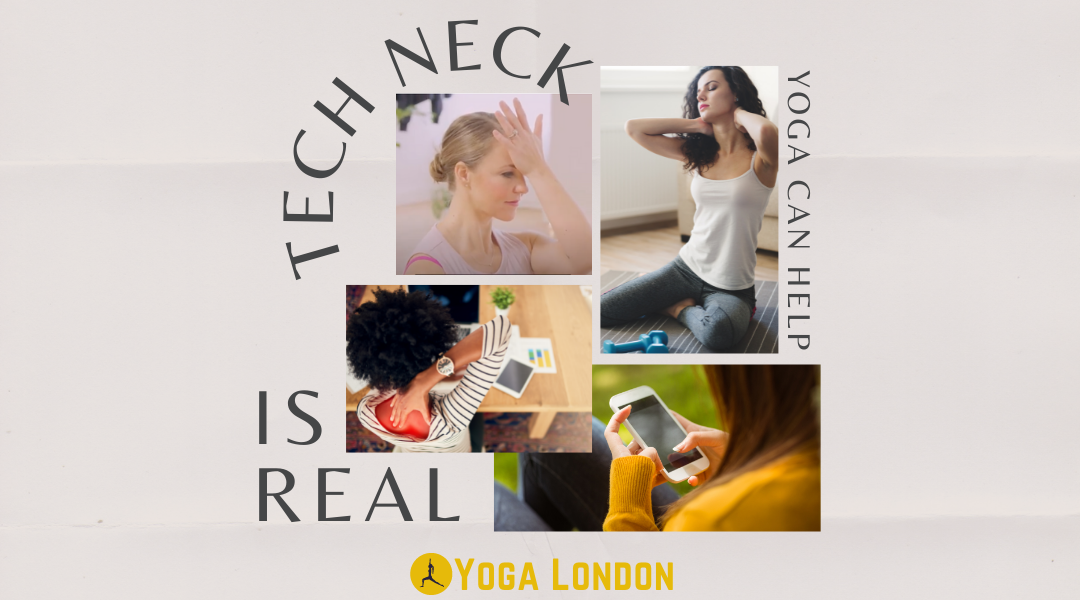


Download the App
Download our app to track classes, schedule sessions, and stay linked with our vibrant yoga community.
Register for Free Trial Class
Schedule Classes
Manage Membership
Purchase Giftcards